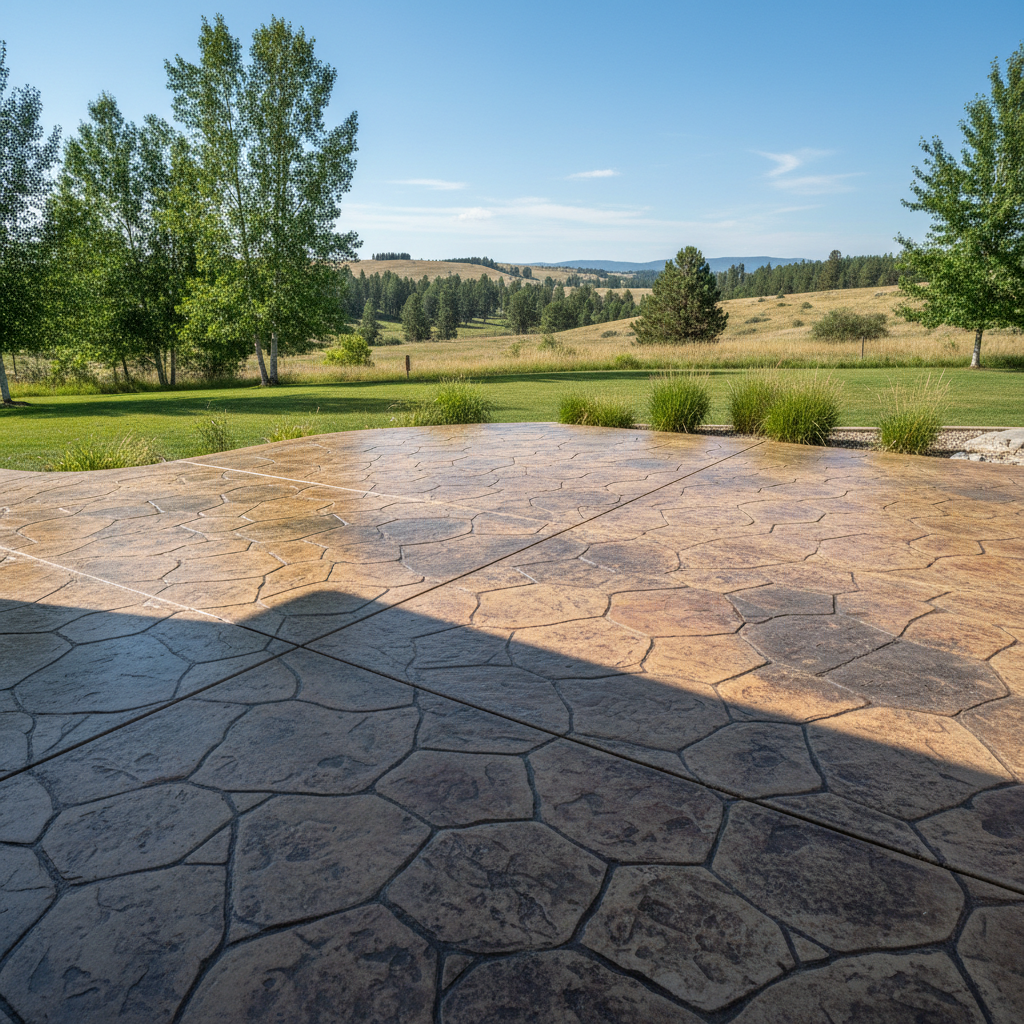
So, you've got stamped concrete. Maybe it's a patio, a walkway, or even your whole driveway. It looks fantastic, right? That's the idea. But here's the deal: it's not a 'set it and forget it' kind of thing. If you want that investment to keep looking sharp and last for years, you've got to give it a little love. Especially here in Great Falls, where our winters can be brutal and our summers can bake everything.
Extending the Life of Your Stamped Concrete
The biggest thing you can do to extend the life of your stamped concrete is proper sealing. Think of the sealer as a shield. It protects the concrete from moisture, UV rays, and general wear and tear. I recommend resealing every 2-3 years, depending on how much traffic it gets and how exposed it is to the elements. If it's a high-traffic driveway that gets hit with a lot of sun and snow, you might lean closer to two years. A covered patio might stretch to three or even four.
Before you reseal, you've got to clean it thoroughly. We're talking about getting all the dirt, grime, and any old, failing sealer off. A good pressure wash (use a fan tip, not a pinpoint stream, and keep it moving!) followed by a degreaser if there are oil stains, is usually the ticket. Let it dry completely – and I mean completely – before applying the new sealer. Doing it on a cloudy day or in the shade is best so the sealer doesn't dry too fast and leave streaks or bubbles. This isn't just about looks; a good seal prevents water from penetrating and causing issues like spalling when that water freezes and expands.
Another big one for extending life, especially around here, is dealing with de-icers. Salt and other harsh de-icing chemicals are concrete killers. They can break down the surface, cause pitting, and just generally make your stamped concrete look terrible. If you absolutely have to use something, look for products labeled 'concrete safe' or 'pet friendly.' Sand is always a good, safe option for traction, and a shovel works wonders. We see a lot of damage on driveways in the Fox Farm area every spring because folks are too liberal with the salt all winter.
Regular Maintenance: What You Need to Do
Beyond resealing, regular maintenance is pretty straightforward. It's mostly about keeping it clean. Sweep off leaves, dirt, and debris regularly. If you let organic matter sit on the surface, especially in damp conditions, it can lead to mildew or staining. A quick hose-down once a month during the warmer seasons is usually enough to keep it looking fresh.
- Clean spills immediately: Oil, grease, paint, rust – these things will stain if left to sit. Blot, don't wipe, and use a suitable cleaner for the specific spill.
- Avoid abrasive cleaners: Stick to mild detergents or cleaners specifically designed for concrete. Harsh chemicals can strip the sealer or damage the concrete itself.
- Watch for weeds: Weeds love to sprout in cracks. Pull them out before they get established and widen those cracks. A little weed killer formulated for hard surfaces can help too.
- Protect from heavy impacts: Don't drop heavy tools or drag sharp objects across the surface. It can chip or scratch the concrete, especially if it's not properly sealed.
Warning Signs of Problems
You're not just maintaining; you're also inspecting. Keep an eye out for these red flags:
- Fading color: If your stamped concrete is starting to look dull or the color isn't as vibrant as it used to be, that's a sign your sealer is wearing thin and it's time to reapply.
- Pitting or spalling: These are small holes or flaking on the surface. This usually means water is getting into the concrete and freezing, expanding, and popping off small pieces. It's a serious sign that your concrete isn't properly sealed or is being exposed to harsh chemicals.
- Cracks: Hairline cracks are pretty common with concrete, especially with our freeze-thaw cycles. But if you see cracks getting wider, longer, or if they're accompanied by uneven surfaces, that's a bigger issue.
- White powdery residue (efflorescence): This is usually mineral salts being pushed to the surface by moisture. It's not necessarily damaging, but it indicates moisture movement and can be unsightly.
- Uneven settling: If one section of your stamped concrete patio or driveway is noticeably lower than another, or if there's a significant dip, you've got a sub-base issue.
When to Call a Professional
Look, I'm all for DIY, but there are times when you need to bring in the pros. If you're seeing significant cracking, spalling, or uneven settling, that's beyond a simple reseal. These issues often point to problems with the concrete mix, the base preparation, or severe environmental stress. Trying to patch these yourself often leads to bigger headaches down the road.
Also, if you're unsure about the type of sealer to use, or if you've got stubborn stains you can't get out, it's worth a call. We've got the right equipment and experience to assess the damage and recommend the best course of action. Sometimes, a professional cleaning and reseal is all it takes to bring it back to life. Other times, it might be a repair or even a partial replacement. At Great Falls Concrete Paving, we've seen it all, and we can help you figure out the best way forward to keep your stamped concrete looking great for years to come.